
Living with ongoing back pain can affect nearly everything you do. Work, exercise, driving, and even sleeping may become uncomfortable. Fortunately, spinal decompression therapy offers a non-surgical approach that may help address certain causes of spinal discomfort.
At Injury Care Chiropractic in Louisville, KY, patients receive personalized care for back pain and injury-related conditions. Depending on your needs, lumbar decompression may become part of a broader treatment plan designed to reduce discomfort and restore mobility.
Understanding how this treatment works can help you make informed decisions about your spinal health.
What Is Spinal Decompression Therapy?
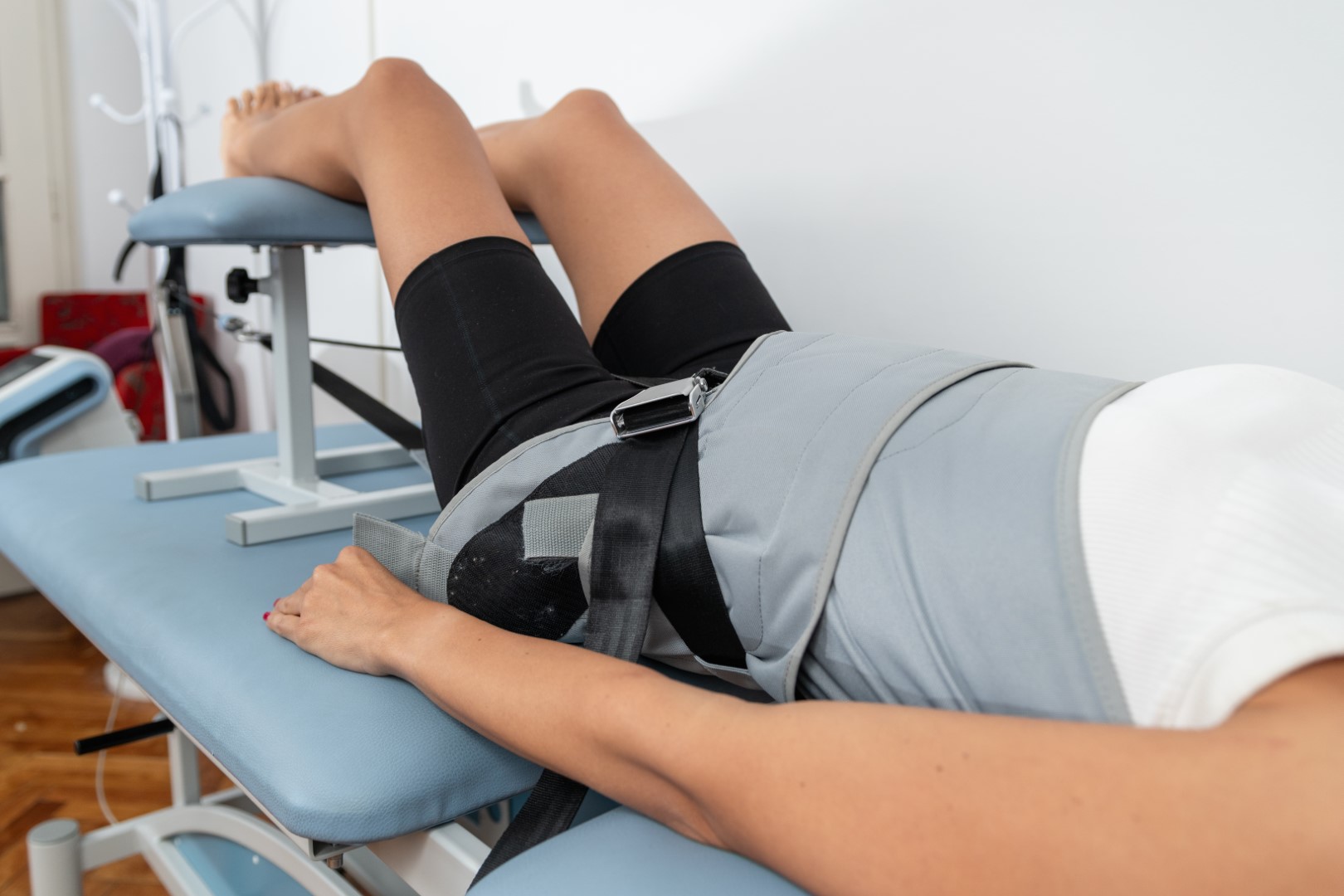
Spinal decompression therapy is a non-surgical treatment designed to gently stretch and mobilize the spine. The treatment can help reduce pressure affecting certain spinal structures and irritated nerves.
During treatment, controlled forces are applied to targeted areas of the spine. Rather than making sudden movements, the process gradually changes the amount of force placed on the affected area.
For some patients, this approach can provide an important alternative to more invasive treatment. However, spinal decompression therapy is not appropriate for every condition. A professional evaluation should always come first.
At Injury Care Chiropractic, the team evaluates the source of back or neck pain before developing a treatment plan. This patient-first approach helps ensure that care matches each person’s condition and recovery goals.
How Does Spinal Decompression Therapy Work?
Your spine contains vertebrae separated by discs that help absorb force and support movement. Injuries, repetitive stress, and other conditions can affect these structures.
Additionally, spinal problems may irritate nearby nerves. As a result, patients may experience pain, stiffness, numbness, tingling, or symptoms that travel into an arm or leg.
Spinal decompression therapy uses controlled traction to gently stretch the spine. This process may help reduce mechanical pressure in targeted areas and improve spinal movement.
Importantly, decompression is not simply about stretching your back. The amount and location of treatment must match the patient’s individual needs.
That is why proper assessment plays such an important role before treatment begins.
What Conditions May Benefit From Spinal Decompression?
People often associate spinal decompression therapy with general lower back pain. However, decompression may be considered for several spinal conditions.
For example, patients experiencing disc-related discomfort or nerve irritation may be evaluated for this type of treatment. Likewise, people with pain traveling into the legs may need an examination to identify its source.
Spinal decompression may be considered as part of care for problems involving:
- Lower back pain
- Certain types of disc-related pain
- Sciatica symptoms
- Irritated or compressed nerves
- Some forms of neck pain
- Spinal stiffness and restricted movement
However, similar symptoms can have very different causes. Therefore, a professional evaluation remains essential before starting spinal decompression therapy.
Can Spinal Decompression Help After an Auto Accident?
An auto accident can place tremendous stress on the spine. Even a relatively low-speed collision can suddenly move the body forward, backward, or sideways.
Consequently, muscles, ligaments, joints, and spinal discs may become irritated or injured. Some people experience symptoms immediately. Others notice increasing discomfort during the hours or days following a collision.
Injury Care Chiropractic focuses extensively on helping Louisville patients recover from auto accident injuries. The practice treats back pain, neck pain, whiplash, headaches, shoulder pain, and other injury-related concerns.
Depending on the injury, lumbar decompression may become one component of a personalized care plan.
However, accident-related pain requires careful evaluation. Injury Care Chiropractic can use in-house diagnostic testing, including X-rays and scans, when appropriate. This allows the team to better understand the source of a patient’s symptoms.
How Is Decompression Different From a Chiropractic Adjustment?
Although both treatments involve the spine, they serve different purposes.
A chiropractic adjustment focuses on improving movement and alignment within specific spinal joints. In contrast, spinal decompression therapy uses controlled traction to reduce mechanical pressure and gently stretch targeted areas.
Therefore, the treatments are not necessarily alternatives to each other. Instead, a chiropractor may recommend multiple therapies based on the patient’s condition.
Injury Care Chiropractic takes this combined approach when appropriate. Treatment options can include spinal adjustments, lumbar decompression, corrective exercises, stretching, hydromassage, electrical stimulation, and deep penetrating heat therapy.
As a result, treatment can address several aspects of an injury rather than relying on one technique alone.
What Should You Expect During Treatment?
Your first step should be an evaluation rather than immediately beginning decompression.
Your provider needs to understand your symptoms, health history, and possible source of pain. Diagnostic testing may also be appropriate depending on your condition.
If spinal decompression therapy fits your needs, your provider can explain how treatment will work. Your care plan may also change as your symptoms and mobility improve.
Furthermore, communication remains important throughout recovery. Tell your provider about changes in pain, movement, numbness, tingling, or other symptoms.
This information helps your care team monitor your progress and adjust treatment when necessary.
Is Spinal Decompression Therapy Right for Everyone?
No. Spinal decompression therapy is not appropriate for every patient or every cause of back pain.
Back pain can develop from muscle strains, joint problems, disc conditions, fractures, arthritis, spinal stenosis, and other issues. Therefore, identifying the underlying problem is more important than simply treating the location of pain.
In some situations, chiropractic care may not be the appropriate treatment. Injury Care Chiropractic can make interdisciplinary referrals when necessary. This helps patients receive care suited to their particular condition.
Ultimately, an individualized evaluation is the best way to determine whether decompression belongs in your treatment plan.
Discover Spinal Decompression Therapy in Louisville, KY
Back pain does not have to dictate your daily routine. If discomfort continues affecting your movement or quality of life, consider getting the problem professionally evaluated.
At Injury Care Chiropractic, patients receive personalized treatment based on their injuries, symptoms, lifestyles, and recovery goals. The Louisville practice focuses on helping patients reduce pain, restore mobility, and return to their normal activities.
Led by Dr. Steven Neeley, D.C., the practice has extensive experience treating auto accident and injury-related conditions. Patients also have access to a modern facility and several conservative treatment options.
If you are wondering whether spinal decompression therapy could become part of your recovery plan, contact Injury Care Chiropractic today. The team can evaluate your condition and recommend appropriate next steps for your spinal health.